
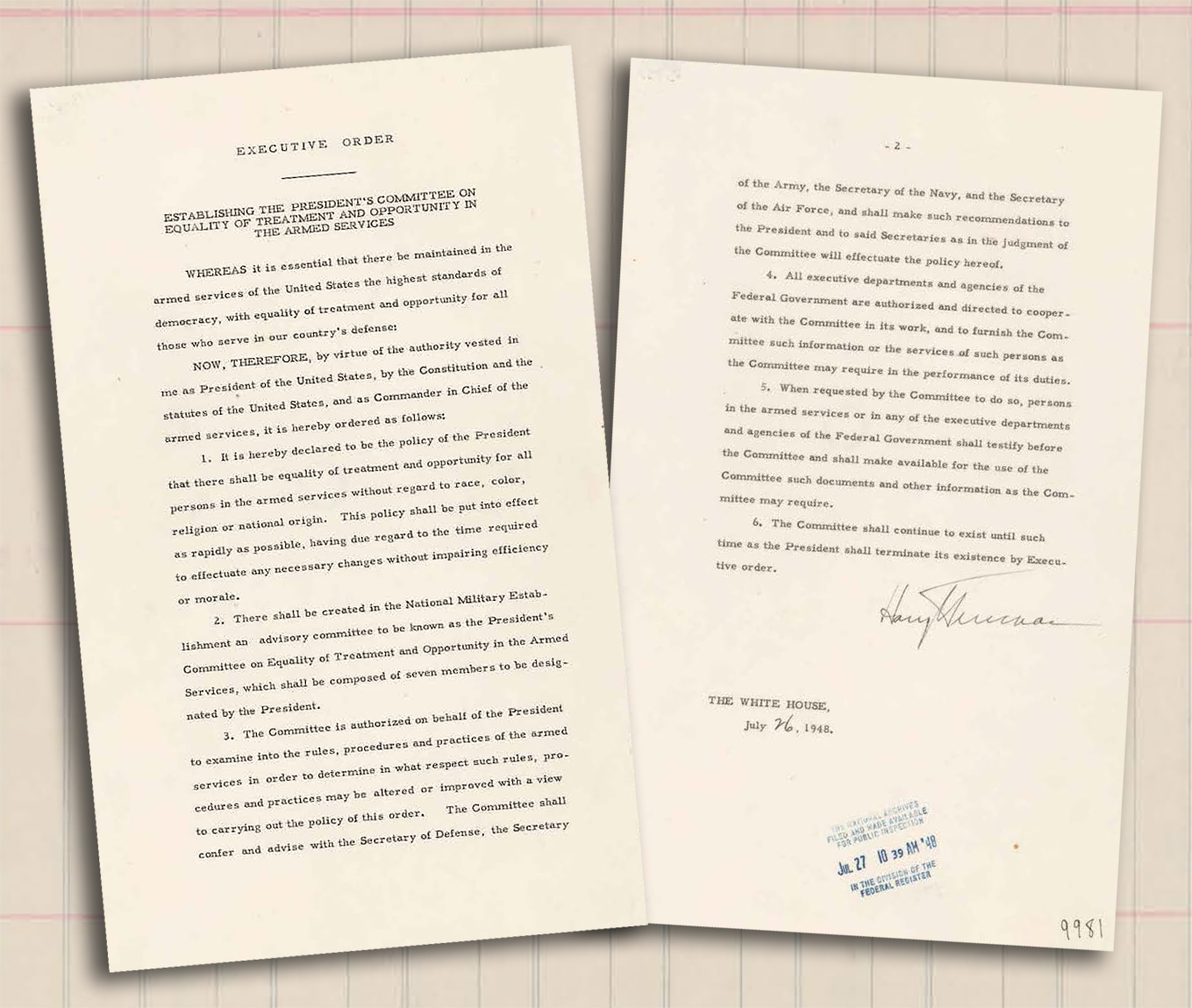
“It is hereby declared to be the policy of the President that there shall be equality of treatment and opportunity for all persons in the armed services without regard to race, color, religion, or national origin.”
~ Executive Order 9981, July 26, 1948
”
Although African Americans had served in the American armed forces since the colonial times, after the Revolution they most always did so in segregated units under the command of white officers.
The path to desegregating the military began in 1941, when President Franklin W. Roosevelt moved to prohibit racial and ethnic discrimination in the defense industry with Executive Order 8802. During the Second World War, the United States military became the nation’s largest employer of minority workers. Hundreds of thousands of African American men and women went to work in the defense industry, contributing their labor to build the planes, tanks, and ships that helped secure victory in 1945.
Black men in uniform, however, continued to serve in segregated units. By the war’s end, more than one million African American men and women had served with honor in all theaters of combat.
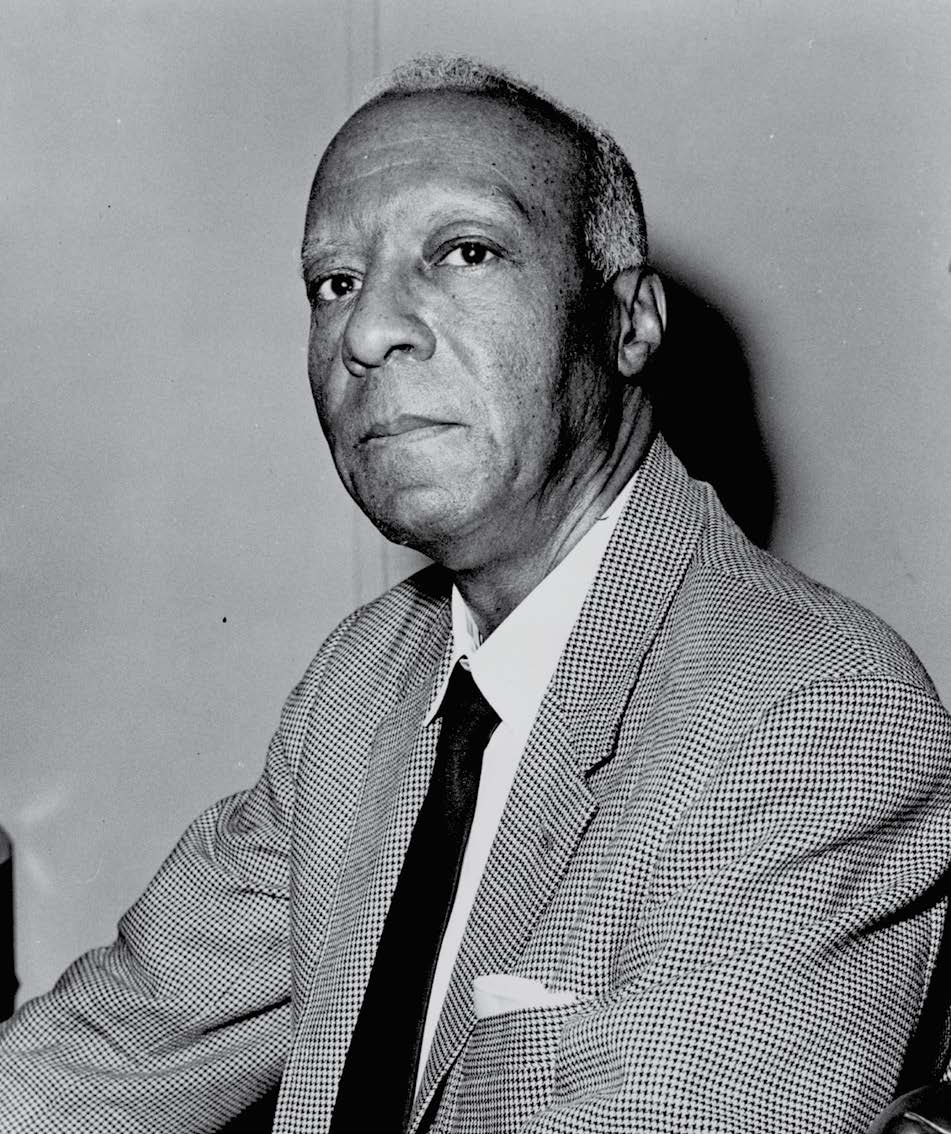
Black men in uniform, however, continued to serve in segregated units. By the war’s end, more than one million African American men and women had served with honor in all theaters of combat. In 1948, President Harry S. Truman issued Executive Order 9981 in an attempt to repudiate the long history of discrimination within the armed forces. Civil rights leaders such as A. Phillip Randolph - who earlier declared that, “I personally will advise Negroes to refuse to fight as slaves for a democracy they cannot possess and cannot enjoy” – were instrumental in shaping Truman’s decision. Randolph and other Black leaders expressed disgust at the treatment of Black veterans returning to the “Jim Crow” South after serving in World War II and pressured the government to reverse its stance on segregation in the military.
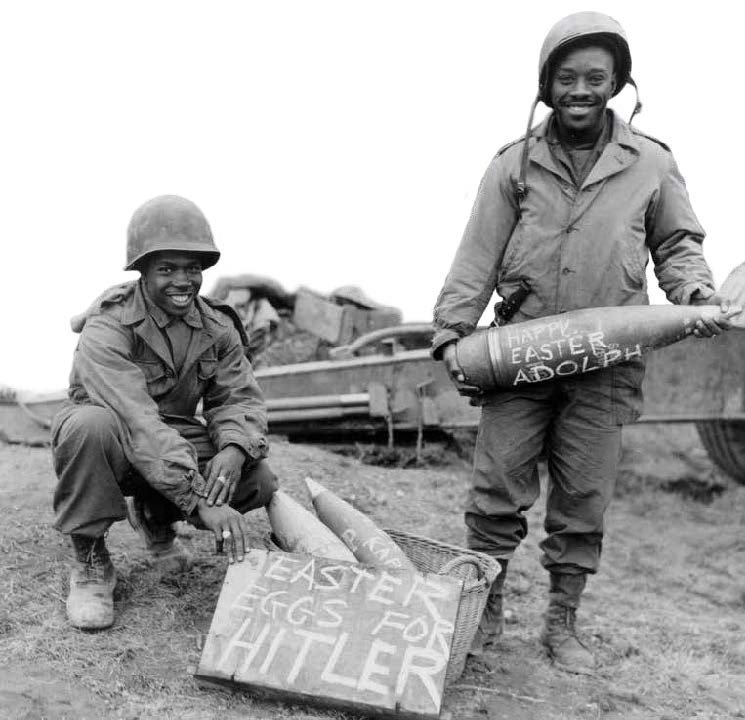
Lauded as a major achievement of the post-war civil rights movement, Executive Order 9981 received resistance from military leaders who remained content to accept racial prejudice as a normal condition of American society. Secretary of the Army Kenneth Royall refused to comply with the order, claiming, “The Army is not an instrument for social evolution.” In the end, it was a full six years before the last all-Black unit was finally deactivated in late 1954.
The soaring rhetoric of democracy and racial harmony used to contrast the Allied cause from that of the Axis powers stood in stark contrast to the reality of the Jim Crow order within U.S. armed services. It was a reality not lost on Black troops. “You jim crowed me / Before hitler rose to power / And you are still jim crowing me- / Right now to this very hour.”
- Langston Hughes, “From Beaumont to Detroit,” 1943
”