
“ As to whether we have a racial problem, my answer — no. I don’t believe we have a racial problem. I believe that what we have had is an uprising that was aided, abetted, encouraged and promoted by a few individuals, possibly using racism as their vehicle.”
~ Captain Ward, U.S.S Constellation Commanding Officer (1972)
”
Even after the introduction of Executive orders 8802 and 9981, racial discrimination continued to plague the military.
Although these orders claimed to prohibit ethnic and racial prejudice in the defense industry and armed services, many Black service members continued to experience inequalities during their military careers. Unresolved issues related to race and unit morale caused several incidents in which Black soldiers and sailors were forced to advocate for equal rights in the military.
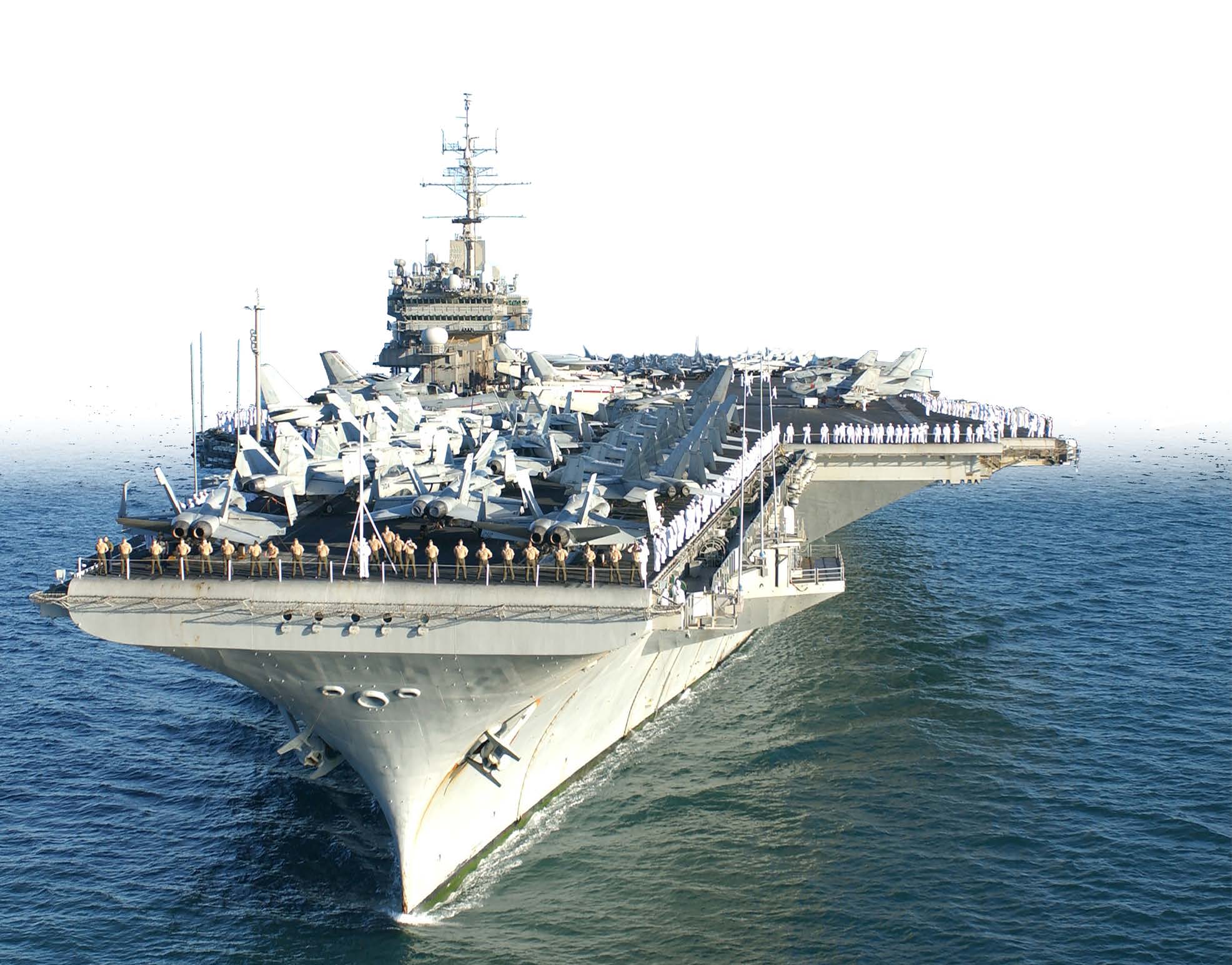
U.S.S. Constellation
In November 1972, Black sailors aboard the USS Constellation performed a sit-in to protest the ship’s racist command structure and the inequitable policies enforced against sailors of color. The demonstration forced the ship’s commander to abort its deployment and return the ship to port. Over one hundred sailors were allowed to depart the ship for professional counseling on their grievances. Although the ship’s commanding officer, Captain John Ward, was unwilling to admit that a potential mutiny had occurred and did not formally charge the protesters, no action was taken to address the men’s grievances. When ordered to re-board the ship days later, some sailors refused their orders and staged a defiant dockside strike on the morning of November 9. Due to heavy media coverage of the incident, most of the sailors who participated in the protest were not severely punished. Only a handful of the men who staged the dockside protest received discharges that were not categorized as honorable, and several others were transferred from the ship. The protests aboard the Constellation highlighted the ways in which Black service members faced continuing racial and equality issues – even in the military’s postsegregation era.“The explosiveness which prevails is made more serious by the amazing fact that many of those in command positions, on all levels, refuse to realize that even in a relatively controlled society as the military, racism can and does exist.”
- Congressional Black Caucus, 1971
”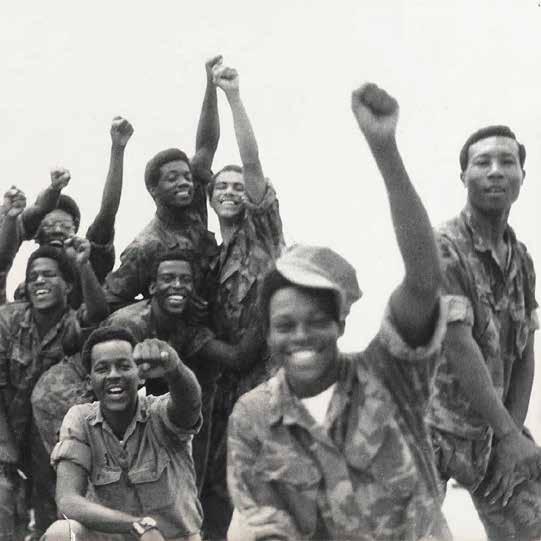
U.S.S. Sumter
Racial tensions remained high on other United States navy vessels. Black sailors and Marines stationed at sea were faced with constant evidence of unequal treatment: inedible food, longer work assignments, and harsh discipline for minor infractions. In the summer of 1972, conflicts between Black and white sailors aboard the U.S.S. Sumter boiled over due to the ship’s music selection. Alexander Jenkins, a Black Marine serving on the Sumter, was tasked to serve as the ship’s disc jockey. Jenkins chose to play protest songs instead of the typical music enjoyed by white service members. Jenkins was placed into military prison along with two other Black Marines. All three men suffered during their time in prison, but their friends kept pressure on the ships command structure, ultimately fulfilling their calls for equitable policies regarding race and ethnicity.